





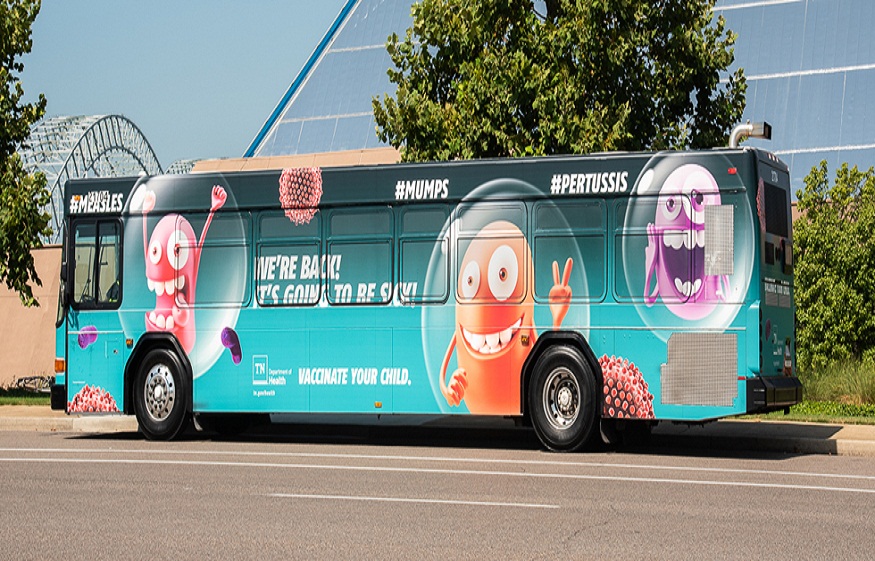
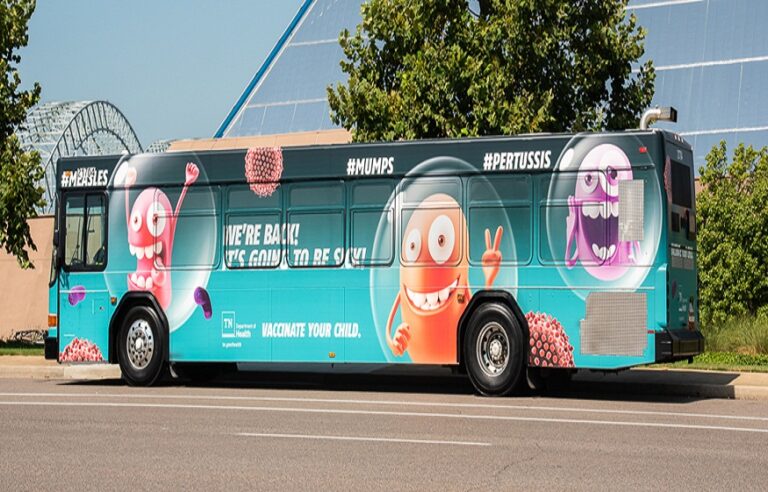
Transit advertising has always been a heavy hitter. Think about it, buses, trams, and trains are the heartbeat of the city. They move through busy streets and quiet suburbs, carrying messages to everyone. In Australia, this has always been a reliable way to get noticed. But lately, things have changed behind the scenes. New tech like Artificial Intelligence (AI) and “programmatic” digital screens are making these ads much smarter. It’s a big shift that makes every dollar work harder.
From Old School to High Tech
In the past, Bus Advertising was pretty simple. You’d pick a route, book it months ahead, and your ad stayed there for the whole trip. It worked well, but you couldn’t really change things once the bus hit the road.
Now, we have digital panels that work more like internet ads. This is called programmatic DOOH (Digital Out-of-Home). It’s basically a system that lets brands buy screen time in the moment. If it’s a hot day, a drink company can show ads for cold water. If it starts raining, a ride-share app can pop up. You aren’t locked into one message; you can change it whenever you need to.
How AI Finds Your Audience
AI is like a super-smart assistant that looks at massive amounts of data. It studies traffic, how people use public transport, and even the weather. When you advertise on bus networks now, you aren’t just guessing who might see your ad. AI helps you pick the exact times and places where your target customers are hanging out.
Read More : Embracing Off-Grid Life with the Jackery Solar Generator 1000 v2
For example, a gym might show ads on morning commute routes when people are thinking about their health. A college might focus on afternoon routes near their campus. AI doesn’t take over the job, but it gives you the evidence you need to make better choices.
Smarter Decisions in the City
Major cities are the best places to see this in action. For instance, bus advertising in Sydney uses a ton of data to help businesses. Planners can see where people stand the longest or where traffic is the heaviest.
Digital screens also mean you can swap your message throughout the day. A cafe could show a breakfast deal in the morning and a coffee special in the afternoon, all on the same screen. You could never do that with a paper poster.
Knowing Your Costs
One of the best parts of this tech is that it’s easier to see where your money goes. Bus Advertising Rates are now based on actual numbers, like how many people likely saw the ad. You can see your results in real-time, which helps you stay in control of your budget.
Read More : Partnership Strength: The Reasons for Selecting the Top Tensile Testing Machine Manufacturer
This is great for smaller businesses, too. Since you can buy shorter “bursts” of time instead of a whole month, you can get your brand on a prime route without spending a fortune. It makes the playing field a lot more level for everyone.
Local Ads That Actually Matter
Even the screens at bus stops are getting smarter. When looking at Bus Shelter Advertising rates in Sydney, you’ll notice that digital panels offer a lot more value. They can change based on what’s happening right outside. A pharmacy can show sunscreen ads when the UV rays are high, or a streaming service can show a new movie trailer right when a big crowd is leaving a stadium. The ad feels like it belongs there because it matches the moment.
A Better Way to Grow
This new tech isn’t replacing the basics. Where you put your ad and how good it looks still matter most. But now, you have more precision. You can follow how people move and adjust your plan as the city changes. The buses are still driving the same routes, but the messages they carry are finally as fast and flexible as we are.
Final Thought
Transit advertising is undergoing a transformation, and technological advancements are making it more intelligent. AI and programmatic DOOH provide advertisers with the tools necessary to reach the appropriate audience at the appropriate time, all while maintaining the flexibility and cost-effectiveness of their campaigns. If a company wants to differentiate itself from its competitors, the opportunity is quite clear: the buses continue to move, and now the messages do as well, with greater precision than ever before.





+ There are no comments
Add yours